
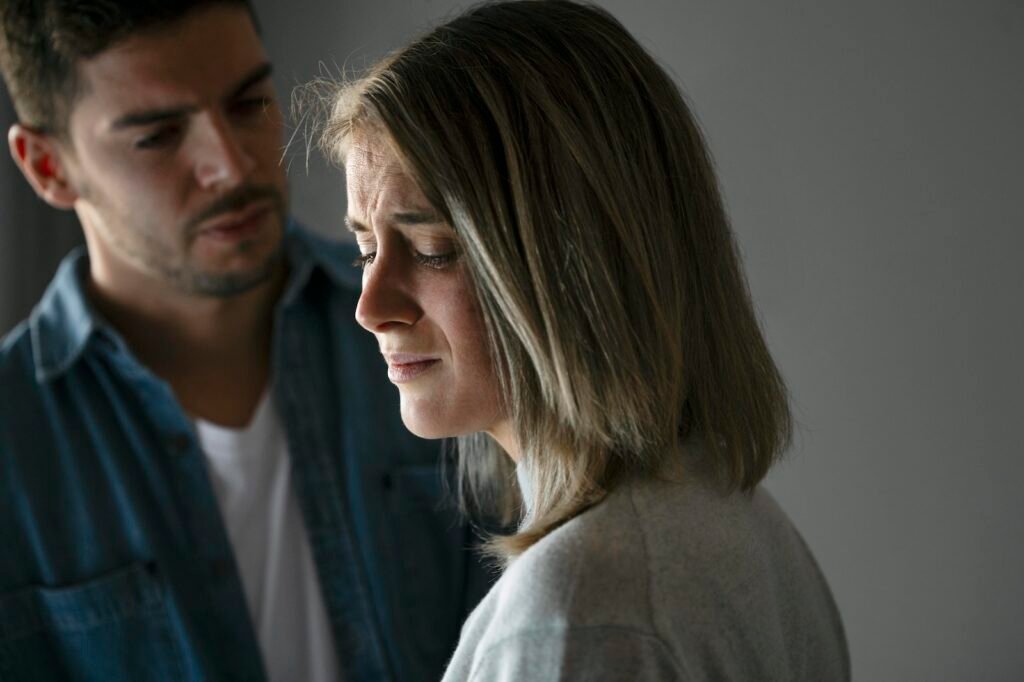
The origin of a toxic relationship can be due to one of the individuals having a history of psychological violence, codependent relationships, or relationship problems with their parents. This generates feelings of distrust, jealousy, and a need to control, and often humiliate, their healthy partner. Their way of relating to others is damaged or disoriented, either because they learned it from their parents or because of their own lack of self-esteem.
Typically, a toxic relationship begins with symptoms like these: harassment and invasion of privacy, withdrawal from loved ones and friends, doing all the activities together even if one doesn’t like them, asking permission to go places alone. Not to mention that the toxic person begins to make the non-toxic person sick, to the point that both react aggressively and controllingly toward the other without realizing it.
The non-toxic partner becomes entangled in the manipulation of the toxic partner, through emotional blackmail and the false need to be together, to need each other, or to be the best option for them. Typically, people who accept a toxic relationship are those with low self-esteem. In the case of a woman who didn’t have a father who taught her her self-worth, and in the case of a man who had an overprotective and domineering mother who made him believe he deserved to be praised and obeyed, not to mention the culture in which they grew up and the environment that surrounded them.
These relationships often end fatally or very painfully. To avoid having a relationship like this or ending up with someone like this, I recommend the following:
Be aware of the first signs of this when you’re not even dating. However your first dates are, your relationship will be.
Set boundaries from the start, define for the other person how you like to be treated and what you won’t tolerate.
Don’t be blinded by their physical appearance or their way of speaking; observe how they treat other people who provide services to them or how they talk to their friends.
Whatever you allow from the first time you meet them, they will always do.
Don’t give in to anything you don’t agree with, even if it’s because you’re physically attracted to them and aren’t looking for anything serious.
If you’re already in one and don’t know how to get out, I recommend the following:
Start a therapeutic process that builds your confidence and reminds you of who you are and what you deserve.
Surround yourself with people you trust who can look out for you even if you can’t, and who will intervene if necessary.
Do new things where you can meet other people, preferably something you’ve always found difficult or dreamed of achieving. This will boost your confidence and give you the strength to confront your toxic partner.
Remember that we all get the love we think we deserve. Do you deserve this?